On August 4, 2026, DeepSeek’s official status page recorded two API degraded-performance incidents.
The first incident lasted 1 hour and 18 minutes, from 02:02 to 03:20 UTC, and affected DeepSeek V4 Flash, V4 Pro, and Expert Mode. The second incident lasted 36 minutes, from 03:43 to 04:20 UTC, and affected the DeepSeek V4 Flash API.
Both incidents have since been resolved. OpenCode also reported that DeepSeek Flash was experiencing capacity issues due to unprecedented demand. However, DeepSeek’s official status page only confirmed degraded performance and did not publish a root cause.
TL;DR
- DeepSeek’s official status page recorded two degraded-performance incidents affecting V4 Flash on August 4, 2026.
- A direct provider integration creates a single point of failure, even when the same model is available elsewhere.
- AIHubMix can retry the same model across multiple provider channels when an upstream route returns a retryable error.
- If all provider channels for the primary model fail, Key-level model fallback can switch the request to configured backup models.
- Multi-provider routing reduces reliance on one endpoint, but it cannot eliminate correlated failures or gateway-level risk.
Incidents like this highlight an important infrastructure principle:
A reliable model is not enough if it is accessed through a single provider endpoint.
One Model Does Not Have to Mean One Provider
When an application connects directly to one provider, that endpoint becomes a single point of failure.
If the provider experiences an outage, reaches its rate limit, or suffers a latency spike, the application has nowhere else to send the request. Users see timeouts and errors even when the same model remains available through other infrastructure providers.
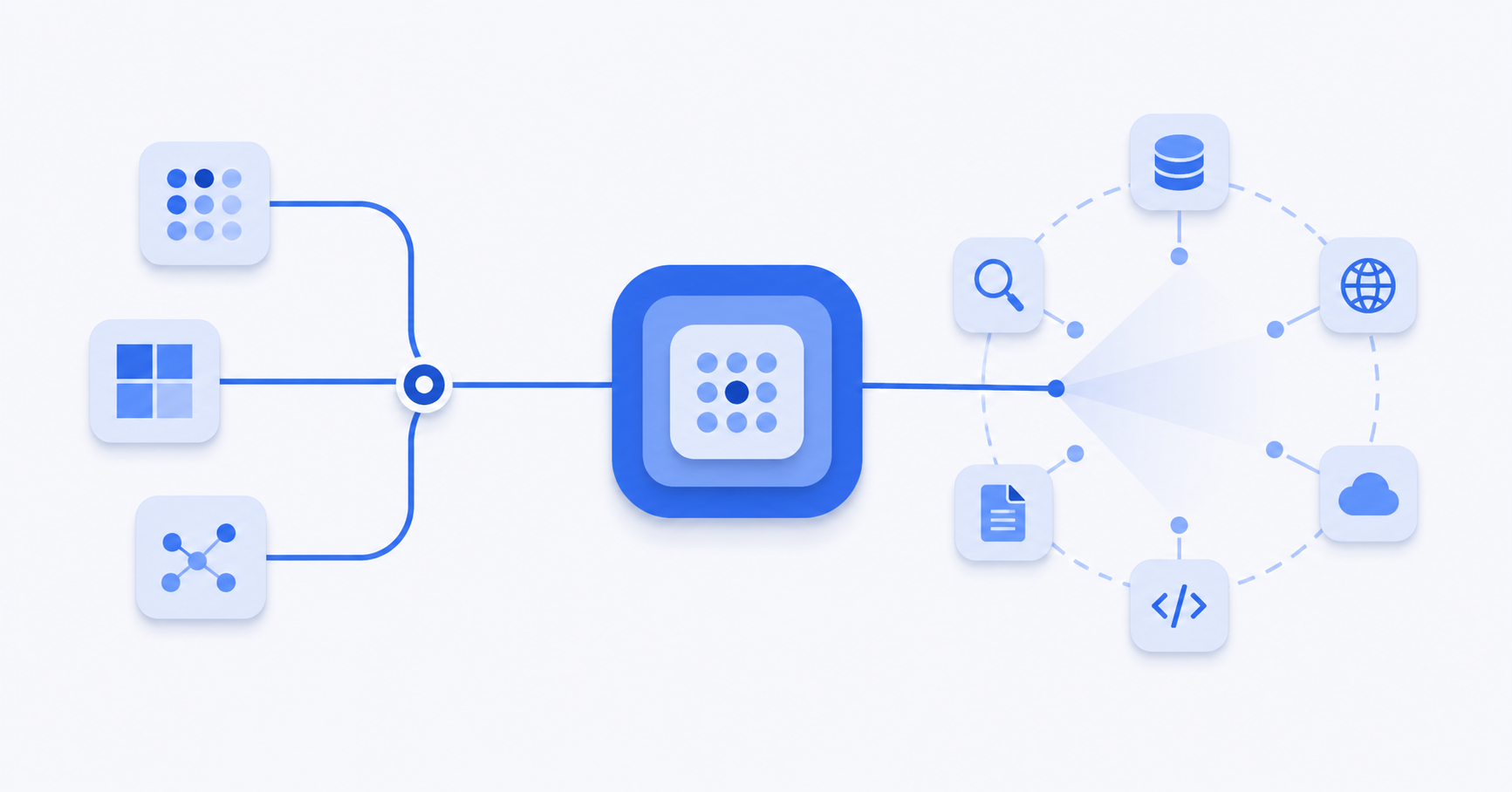
AIHubMix separates the model from the provider serving it.
For example, DeepSeek V4 Flash is available through multiple providers on AIHubMix, including DeepSeek, Baidu, DeepInfra, and Alibaba Cloud. Applications continue using one OpenAI-compatible API endpoint while AIHubMix manages the available upstream routes.
This creates two distinct reliability layers.
Layer 1: Provider Failover
Provider failover keeps the requested model unchanged while switching the infrastructure provider behind it.
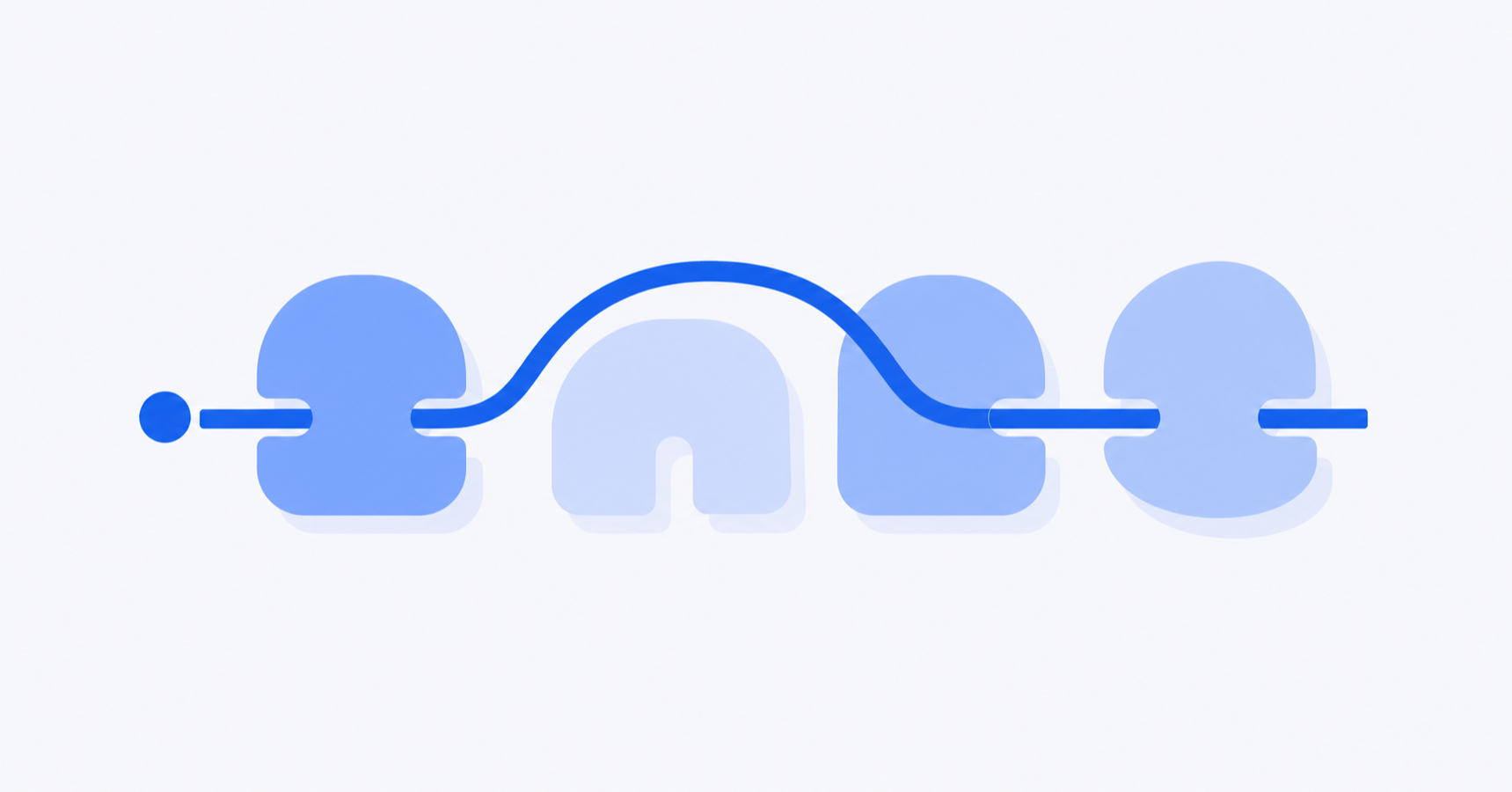
When a request for DeepSeek V4 Flash reaches AIHubMix, the gateway selects an eligible provider channel. If that channel returns a retryable error before the response begins, AIHubMix can try another available channel for the same model.
The request path may look like this:
- Try DeepSeek V4 Flash through Provider A.
- Provider A returns a timeout, 5xx error, or retryable capacity error.
- Try the same DeepSeek V4 Flash model through Provider B.
- Continue until the request succeeds or all eligible channels are exhausted.
The client does not need to integrate multiple provider SDKs, manage separate API keys, or implement its own retry logic.
This is provider-level failover: the provider changes, but the requested model stays the same.
Layer 2: Model Fallback
A provider failover cannot help if every available provider for the primary model is unavailable.
AIHubMix therefore supports a second reliability layer: model fallback.
Users can configure an ordered list of backup models for each API key. After every eligible channel for the primary model has returned a retryable failure, AIHubMix moves to the next model in the fallback list.
For example:
- Primary:
deepseek-v4-flash - First fallback:
gpt-5.4 - Second fallback:
gemini-3.1-pro-preview
The fallback is performed inside the AIHubMix gateway. Existing applications do not need to send additional routing parameters or change their client code.
Billing is based on the model that ultimately returns the successful response. Developers can verify fallback behavior through the response headers:
X-Aihubmix-Fallback: trueX-Aihubmix-Model: <final-model>
The complete configuration and trigger rules are documented in AIHubMix Model Mapping and Fallback.
What Automatic Failover Can Handle
Provider failover is designed to recover from upstream infrastructure problems such as:
- Provider timeouts
- Connection failures
- Retryable 5xx responses
- Provider rate limits and capacity errors
- Temporary unavailability of an upstream channel
When these failures occur before the response starts, AIHubMix can transparently try another route.
What Failover Cannot Solve
Multi-provider routing improves availability, but it does not make a gateway infallible.
Fallback is not triggered when:
- The user’s AIHubMix API key is invalid, expired, or out of quota
- The request itself is invalid
- The client disconnects or reaches its own timeout
- A streaming response has already started
- A specific provider channel was explicitly selected
- The failure affects every provider or the gateway itself
Provider failures may also be correlated. Multiple providers can depend on the same underlying infrastructure, model release, or regional network. For this reason, multi-provider availability should be measured with real traffic rather than assumed from the number of providers alone.
Why an Aggregator Can Be More Reliable Than a Direct Endpoint
Calling an official API directly gives an application one route to the model.
A multi-provider gateway gives it several.
If those provider routes fail independently, the gateway can route around a degraded endpoint without exposing the failure to the application. This reduces reliance on any single provider and can deliver higher availability than a direct single-provider integration.
The difference is architectural:
- Direct API: one model, one provider, one failure domain
- AIHubMix: one model, multiple providers, automatic failover
- AIHubMix with model fallback: multiple providers plus backup models
The goal is not to predict which provider will fail next. It is to make an upstream incident an internal routing event instead of a customer-facing outage.
Build for the Next Provider Incident
DeepSeek V4 Flash has recovered, but temporary capacity constraints, rate limits, and upstream outages are normal parts of production AI infrastructure.
Applications should not have to change code every time a provider becomes unstable.
With AIHubMix, developers can access multiple providers through one API, automatically retry the same model across available channels, and configure backup models for an additional layer of protection.
Explore available models and providers at aihubmix.com/models.
FAQ
What is multi-provider failover?
It automatically retries the same model through another eligible provider when the current route returns a retryable failure.
How is model fallback different?
Provider failover keeps the model unchanged. Model fallback switches to a configured backup model only after all eligible channels for the primary model fail.
Which failures can trigger failover?
Typical triggers include timeouts, connection failures, retryable 5xx responses, rate limits, and temporary capacity errors before a response begins.
Does failover guarantee zero downtime?
No. Correlated provider failures, gateway-level incidents, non-retryable errors, and failures after streaming begins can still reach the client.
Do I need to change my application code?
No additional routing logic is required. Applications keep using the AIHubMix OpenAI-compatible endpoint, while backup models can be configured at the API-key level.