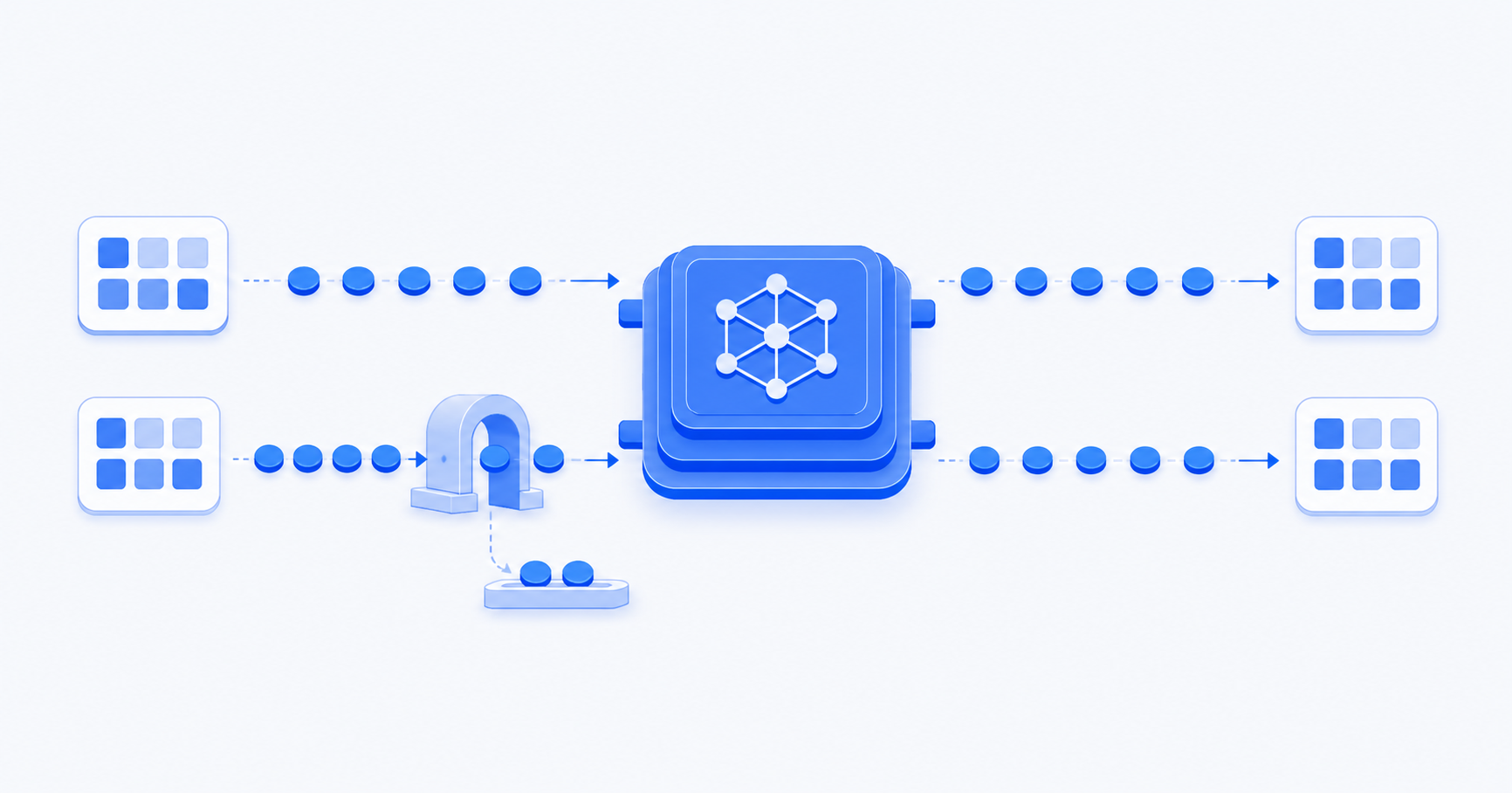
우리는 Claude 시리즈 모델을 위해 특별히 깊은 최적화를 적용하여 OpenAI 호환 인터페이스를 업그레이드했습니다. 이제 사고와 캐싱을 보다 정확하고 편리하게 제어할 수 있습니다. 다중 턴 대화에서의 교차 사고는 이제 사용자 친화적이며 추가 매개변수 없이 원활한 통합을 가능하게 합니다. 또한 Anthropic에서 제공하는 베타 기능을 활성화할 수 있습니다.
1. 모델 사고 (확장된 사고)
1.1 교차 사고의 장점
교차 사고가 활성화되지 않은 경우, 모델은 어시스턴트 턴의 시작에서만 사고를 수행하며; 이후 응답은 도구 결과를 받은 직후에 생성되며 새로운 사고 블록을 생성하지 않습니다:
User → [Thinking] → Tool Call → Tool Result → Response
교차 사고가 활성화되면, 모델은 도구 결과를 받을 때마다 새로운 사고 블록을 삽입하여 추론의 체인을 형성합니다:
User → [Thinking] → Tool Call → Tool Result → [Thinking] → Response
                                                ↑ 교차 사고
이로 인해 모델은:
- 도구 결과를 기반으로 2차 추론을 수행할 수 있으며, 단순히 출력을 연결하는 것이 아닙니다.
- 여러 도구 호출 간의 추론 체인을 형성할 수 있으며, 각 결정은 이전 단계의 분석을 기반으로 합니다.
참고: Anthropic 교차 사고
1.2 사고 활성화
사고를 활성화하는 방법은 네 가지가 있으며, 그 중 하나를 선택할 수 있습니다:
| 방법 | 예시 | 설명 |
|---|---|---|
reasoning_effort |
"reasoning_effort": "low" |
OpenAI 표준 매개변수, 요청 본문의 최상위에 배치 |
reasoning.effort |
"reasoning": {"effort": "low"} |
이전 방법과 동등하며, 추론 객체 내에 배치 |
reasoning.max_tokens |
"reasoning": {"max_tokens": 1024} |
사고를 위한 최대 토큰 수를 정확하게 제어 |
모델 이름에 -think 추가 |
"model": "claude-sonnet-4-5-think" |
가장 간단한 방법으로, 추가 매개변수가 필요 없음 |
우선 순위 (여러 방법이 사용될 때):reasoning_effort>reasoning.max_tokens>reasoning.effort>-think접미사
노력의 가능한 값: minimal / low / medium / high / xhigh
1.3 사고 반환
응답 메시지에는 두 개의 새로운 필드가 포함됩니다:
reasoning_content: 사고 내용 (문자열), 쉽게 표시할 수 있습니다.reasoning_details: 사고에 대한 완전한 구조화된 정보, 다중 턴 대화에서 그대로 반환되어야 하며; 내부 구조는 제공자에 따라 다를 수 있습니다.
비스트리밍 예시 (관련 없는 필드를 생략):
{
  "choices": [{
    "message": {
      "role": "assistant",
      "content": "안녕하세요! 오늘 무엇을 도와드릴까요?",
      "reasoning_content": "사용자가 그냥 인사하고 있습니다...",
      "reasoning_details": {
        "type": "thinking",
        "thinking": "사용자가 그냥 인사하고 있습니다...",
        "signature": "Er8CCkYI..."
      }
    }
  }]
}
스트리밍 응답에서는 사고 내용이 delta.reasoning_content 및 delta.reasoning_details를 통해 청크로 전송됩니다. 전체 스트리밍 연결 논리는 아래의 전체 예제를 참조하십시오.
1.4 다중 턴 대화에서 사고 유지 (교차 사고는 내장되어 있으며, 추가 매개변수가 필요 없음)
모델이 다중 턴 대화에서 사고 능력을 계속할 수 있도록 하려면, 이전에 반환된 reasoning_details를 그대로 다음 턴의 어시스턴트 메시지에 넣으면 됩니다:
messages = [
    {"role": "user", "content": "보스턴의 날씨는 어떤가요? 그럼 무엇을 입어야 할지 추천해 주세요."},
    {
        "role": "assistant",
        "content": response.choices[0].message.content,
        "tool_calls": response.choices[0].message.tool_calls,
        "reasoning_details": response.choices[0].message.reasoning_details,
    },
    {
        "role": "tool",
        "tool_call_id": "toolu_xxx",
        "content": '{"temperature": 45, "condition": "rainy"}',
    }
]
AIHubMix는 요청에서 역사적 사고 정보를 감지하면 자동으로 교차 사고를 활성화하여 모델이 도구 호출 결과를 받은 후 추가 매개변수 없이 깊은 추론을 계속할 수 있도록 합니다.
1.5 전체 예시
다음 두 예시는 전체 다중 턴 도구 호출 + 교차 사고 프로세스를 보여줍니다: 사용자 문의 → 모델이 사고하고 도구를 호출 → 도구 결과 주입 ( reasoning_details 보존) → 모델의 교차 사고가 최종 응답을 제공합니다.
비스트리밍 · 교차 사고
import os
import json
from openai import OpenAI

client = OpenAI(
    base_url="https://aihubmix.com/v1",
    api_key=os.environ.get("AIHUBMIX_API_KEY", "sk-***"),
)

# ── 도구 정의 ───────────────────────────────────────────
tools = [{
    "type": "function",
    "function": {
        "name": "get_weather",
        "description": "위치의 현재 날씨를 가져옵니다.",
        "parameters": {
            "type": "object",
            "properties": {"location": {"type": "string", "description": "도시 이름"}},
            "required": ["location"]
        }
    }
}]

# ── 모의 도구 실행 ───────────────────────────────────────
WEATHER_DB = {
    "boston": {"temperature": "45°F (7°C)", "condition": "rainy", "humidity": "85%", "wind": "15 mph NE"},
    "tokyo":  {"temperature": "72°F (22°C)", "condition": "sunny", "humidity": "45%", "wind": "5 mph S"},
}

def execute_tool(name: str, args: dict) -> str:
    if name == "get_weather":
        key = next((k for k in WEATHER_DB if k in args.get("location", "").lower()), None)
        return json.dumps(WEATHER_DB.get(key, {"temperature": "65°F", "condition": "clear"}))
    return "{}"

# ── 다중 턴 대화 루프 ─────────────────────────────
messages = [
    {"role": "user", "content": "보스턴의 날씨는 어떤가요? 그럼 무엇을 입어야 할지 추천해 주세요."}
]

turn = 0
while True:
    turn += 1
    print(f"\n── 턴 {turn} ──")

    response = client.chat.completions.create(
        model="claude-sonnet-4-5",
        messages=messages,
        tools=tools,
        extra_body={"reasoning": {"max_tokens": 2000}},
    )
    msg = response.choices[0].message

    # 사고 과정 출력
    if msg.reasoning_content:
        label = "교차 사고" if turn > 1 else "사고"
        print(f"[{label}] {msg.reasoning_content}")

    # 응답 내용 출력
    if msg.content:
        print(f"[응답] {msg.content}")

    # 도구 호출 출력
    if msg.tool_calls:
        for tc in msg.tool_calls:
            print(f"[도구 호출: {tc.function.name}] {tc.function.arguments}")

    # 어시스턴트 메시지 구축, reasoning_details 보존 (중요!)
    assistant_msg = {"role": "assistant", "content": msg.content}
    if msg.tool_calls:
        assistant_msg["tool_calls"] = msg.tool_calls
    if msg.reasoning_details:
        assistant_msg["reasoning_details"] = msg.reasoning_details  # 수정하지 않고 전달
    messages.append(assistant_msg)

    # 도구 호출이 없으면 대화가 끝남
    if not msg.tool_calls:
        break

    # 도구 실행 및 결과를 메시지에 추가
    for tc in msg.tool_calls:
        args = json.loads(tc.function.arguments)
        result = execute_tool(tc.function.name, args)
        print(f"[도구 결과: {tc.function.name}] {result}")
        messages.append({"role": "tool", "tool_call_id": tc.id, "content": result})
스트리밍 · 교차 사고
import os
import sys
import json
from openai import OpenAI

client = OpenAI(
    base_url="https://aihubmix.com/v1",
    api_key=os.environ.get("AIHUBMIX_API_KEY", "sk-***"),
)

# ── 도구 정의 및 모의 실행 ─────────────────────────
tools = [{
    "type": "function",
    "function": {
        "name": "get_weather",
        "description": "위치의 현재 날씨를 가져옵니다.",
        "parameters": {
            "type": "object",
            "properties": {"location": {"type": "string", "description": "도시 이름"}},
            "required": ["location"]
        }
    }
}]

WEATHER_DB = {
    "boston": {"temperature": "45°F (7°C)", "condition": "rainy", "humidity": "85%", "wind": "15 mph NE"},
    "tokyo":  {"temperature": "72°F (22°C)", "condition": "sunny", "humidity": "45%", "wind": "5 mph S"},
}

def execute_tool(name: str, args: dict) -> str:
    if name == "get_weather":
        key = next((k for k in WEATHER_DB if k in args.get("location", "").lower()), None)
        return json.dumps(WEATHER_DB.get(key, {"temperature": "65°F", "condition": "clear"}))
    return "{}"

# ── 스트림 응답 수집기 ────────────────────────────────
def stream_and_collect(turn: int, **kwargs):
    """스트림 응답, 사고/내용을 실시간으로 출력하고, reasoning_details/tool_calls를 누적합니다."""
    rd = {}            # 누적된 reasoning_details
    content = ""       # 누적된 응답 텍스트
    tc_map = {}        # 누적된 tool_calls (인덱스별)
    cur = "none"       # 현재 출력 섹션: none / thinking / content

    stream = client.chat.completions.create(stream=True, **kwargs)
    for chunk in stream:
        if not chunk.choices:
            continue
        delta = chunk.choices[0].delta

        # ── 사고 처리 ──
        rd_delta = getattr(delta, "reasoning_details", None)
        if rd_delta and isinstance(rd_delta, dict):
            for k, v in rd_delta.items():
                if k == "type":
                    rd[k] = v
                elif isinstance(v, str):
                    rd[k] = rd.get(k, "") + v
                elif v is not None:
                    rd[k] = v
            # 사고 청크를 실시간으로 출력
            thinking_chunk = rd_delta.get("thinking", "")
            if thinking_chunk:
                if cur != "thinking":
                    cur = "thinking"
                    label = "교차 사고" if turn > 1 else "사고"
                    sys.stdout.write(f"\n[{label}] ")
                sys.stdout.write(thinking_chunk)
                sys.stdout.flush()

        # ── 내용 처리 ──
        if delta.content:
            if cur != "content":
                if cur == "thinking":
                    sys.stdout.write("\n")
                cur = "content"
                sys.stdout.write("\n[응답] ")
            sys.stdout.write(delta.content)
            sys.stdout.flush()
            content += delta.content

        # ── 도구 호출 처리 ──
        for tc in delta.tool_calls or []:
            i = tc.index
            if i not in tc_map:
                tc_map[i] = {"id": "", "type": "function",
                             "function": {"name": "", "arguments": ""}}
            if tc.id:
                tc_map[i]["id"] = tc.id
            if tc.function:
                tc_map[i]["function"]["name"] += tc.function.name or ""
                tc_map[i]["function"]["arguments"] += tc.function.arguments or ""

    # 현재 출력 섹션 종료
    if cur in ("thinking", "content"):
        sys.stdout.write("\n")

    tool_calls = [tc_map[i] for i in sorted(tc_map)] if tc_map else None
    return {
        "content": content or None,
        "reasoning_details": rd or None,
        "tool_calls": tool_calls,
    }

# ── 다중 턴 대화 루프 ─────────────────────────────
messages = [
    {"role": "user", "content": "보스턴의 날씨는 어떤가요? 그럼 무엇을 입어야 할지 추천해 주세요."}
]

turn = 0
while True:
    turn += 1
    print(f"\n── 턴 {turn} ──")

    result = stream_and_collect(
        turn,
        model="claude-sonnet-4-5",
        messages=messages,
        tools=tools,
        extra_body={"reasoning": {"max_tokens": 2000}},
    )

    # 도구 호출 출력
    if result["tool_calls"]:
        for tc in result["tool_calls"]:
            print(f"[도구 호출: {tc['function']['name']}] {tc['function']['arguments']}")

    # 어시스턴트 메시지 구축, reasoning_details 보존 (중요!)
    assistant_msg = {"role": "assistant", "content": result["content"]}
    if result["tool_calls"]:
        assistant_msg["tool_calls"] = result["tool_calls"]
    if result["reasoning_details"]:
        assistant_msg["reasoning_details"] = result["reasoning_details"]  # 수정하지 않고 전달
    messages.append(assistant_msg)

    # 도구 호출이 없으면 대화가 끝남
    if not result["tool_calls"]:
        break

    # 도구 실행 및 결과를 메시지에 추가
    for tc in result["tool_calls"]:
        args = json.loads(tc["function"]["arguments"])
        tool_result = execute_tool(tc["function"]["name"], args)
        print(f"[도구 결과: {tc['function']['name']}] {tool_result}")
        messages.append({"role": "tool", "tool_call_id": tc["id"], "content": tool_result})
1.6 사고 강도 매핑 규칙
노력 모드:
- Opus 4.6 / Sonnet 4.6 이상: Anthropic의 기본 적응형 사고 노력 수준에 매핑됩니다.
- 기타 모델:
budget_tokens의 공식을 사용하여 계산됩니다:
budget_tokens = max(min(max_tokens × effort_ratio, 128000), 1024)
| 노력 | 노력 비율 |
|---|---|
| xhigh | 0.95 |
| high | 0.80 |
| medium | 0.50 |
| low | 0.20 |
| minimal | 0.10 |
적응형 사고 노력 매핑:
| 들어오는 노력 | Opus 4.6 | Sonnet 4.6 |
|---|---|---|
| xhigh | max | high |
| high | high | high |
| medium | medium | medium |
| low | low | low |
| minimal | low | low |
max_tokens 모드: Anthropic의 budget_tokens로 직접 할당됩니다.
-think 접미사: Opus/Sonnet 4.6+는 적응형 사고를 사용하며 (effort=medium); 다른 모델은 budget_tokens = min(10240, max_tokens - 1)로 설정되며, 기본 max_tokens는 4096입니다.
2. 프롬프트 캐싱
Claude 모델에 요청할 때 프롬프트 캐싱을 사용할 수 있습니다. 메시지에 cache_control 중단점을 설정하여, 역할 카드, RAG 데이터, 책 장 등과 같은 큰 텍스트 블록을 캐시하여 재사용할 수 있으며, 이후 요청이 캐시에 직접 접근하여 비용을 크게 줄일 수 있습니다.
Claude 공식 문서: 프롬프트 캐싱
2.1 캐싱 비용
| 작업 | 가격 배수 (원본 입력 가격 대비) |
|---|---|
| 캐시 쓰기 (5분 TTL) | 1.25x |
| 캐시 쓰기 (1시간 TTL) | 2x |
| 캐시 읽기 | 0.1x |
2.2 지원되는 모델 및 최소 캐시 길이
| 모델 | 최소 캐시 토큰 수 |
|---|---|
| Claude Opus 4.8 | 1024 |
| Claude Opus 4.7 | 2048 |
| Claude Opus 4.6 / Opus 4.5 | 4096 |
| Claude Sonnet 4.6 / Sonnet 4.5 / Opus 4.1 / Opus 4 / Sonnet 4 / Sonnet 3.7 (사용 중단) | 1024 |
| Claude Haiku 4.5 | 4096 |
| Claude Haiku 3.5 (사용 중단) / Haiku 3 | 2048 |
중단점 수량 제한: 요청당 최대 4 개의 cache_control 중단점.2.3 캐시 TTL
| TTL | 구문 | 적용 시나리오 |
|---|---|---|
| 5분 (기본값) | "cache_control": {"type": "ephemeral"} |
짧은 세션, 일상적인 요청 |
| 1시간 | "cache_control": {"type": "ephemeral", "ttl": "1h"} |
긴 세션, 반복적인 캐시 쓰기를 피하기 위해 |
1시간 TTL에 대한 쓰기 비용은 더 높지만, 긴 세션에서 반복적인 쓰기를 줄여 전체 비용을 절감할 수 있습니다. Claude 4.5 이상 모든 모델은 모든 제공자(Anthropic, Amazon Bedrock, Google Vertex AI 포함)에서 1시간 TTL을 지원합니다.
2.4 사용법
시스템, 사용자(이미지 포함), 도구에서 cache_control 필드를 사용하여 캐시 중단점을 설정할 수 있습니다. 다음 예시는 큰 텍스트 블록을 생략하고 키 구조만 보여줍니다.
시스템 메시지 캐싱 (기본 5분 TTL):
{
  "model": "claude-opus-4-5",
  "messages": [
    {
      "role": "system",
      "content": [
        {"type": "text", "text": "당신은 AI 어시스턴트입니다."},
        {
          "type": "text",
          "text": "(긴 맥락)",
          "cache_control": {"type": "ephemeral"}
        }
      ]
    },
    {
      "role": "user",
      "content": [{"type": "text", "text": "안녕하세요"}]
    }
  ]
}
사용자 메시지 캐싱 (1시간 TTL):
{
  "model": "claude-opus-4-5",
  "messages": [
    {
      "role": "system",
      "content": [{"type": "text", "text": "당신은 AI 어시스턴트입니다."}]
    },
    {
      "role": "user",
      "content": [
        {
          "type": "text",
          "text": "(긴 맥락)",
          "cache_control": {"type": "ephemeral", "ttl": "1h"}
        },
        {"type": "text", "text": "안녕하세요"}
      ]
    }
  ]
}
이미지 메시지 캐싱:
{
  "role": "user",
  "content": [
    {
      "type": "image_url",
      "image_url": {"detail": "auto", "url": "data:image/jpeg;base64,/9j/4AAQ..."},
      "cache_control": {"type": "ephemeral"}
    },
    {"type": "text", "text": "이게 뭐죠?"}
  ]
}
도구 정의 캐싱:
cache_control는 도구 객체의 최상위에 배치됩니다 ( type 및 function와 함께):
{
  "tools": [{
    "type": "function",
    "function": {
      "name": "get_weather",
      "description": "위치의 현재 날씨를 가져옵니다.",
      "parameters": {
        "type": "object",
        "properties": {"city": {"type": "string"}},
        "required": ["city"]
      }
    },
    "cache_control": {"type": "ephemeral", "ttl": "1h"}
  }]
}
2.5 캐시 상태 보기
응답의 usage는 claude_cache_tokens_details를 반환하여 상세한 캐시 정보를 기록합니다:
첫 번째 요청 (캐시 생성):
{
  "usage": {
    "prompt_tokens": 22,
    "completion_tokens": 890,
    "total_tokens": 912,
    "claude_cache_tokens_details": {
      "cache_creation_input_tokens": 6266,
      "cache_read_input_tokens": 0,
      "cache_write_5_minutes_input_tokens": 6266,
      "cache_write_1_hour_input_tokens": 0
    }
  }
}
후속 요청 (캐시 적중):
{
  "usage": {
    "prompt_tokens": 22,
    "completion_tokens": 810,
    "total_tokens": 832,
    "prompt_tokens_details": {
      "cached_tokens": 6266
    },
    "claude_cache_tokens_details": {
      "cache_creation_input_tokens": 0,
      "cache_read_input_tokens": 6266,
      "cache_write_5_minutes_input_tokens": 0,
      "cache_write_1_hour_input_tokens": 0
    }
  }
}
| 필드 | 의미 |
|---|---|
cache_creation_input_tokens |
이 요청에서 캐시에 기록된 토큰 수 |
cache_read_input_tokens |
이 요청에서 캐시에서 읽은 토큰 수 |
cache_write_5_minutes_input_tokens |
5분 TTL 캐시에 기록된 토큰 수 |
cache_write_1_hour_input_tokens |
1시간 TTL 캐시에 기록된 토큰 수 |
prompt_tokens_details.cached_tokens |
캐시가 적중했을 때의 캐시된 토큰 수, OpenAI 형식과 호환됨 |
3. anthropic-beta 요청 헤더
HTTP 헤더 anthropic-beta를 통해 Claude 모델의 베타 기능을 활성화할 수 있으며, AIHubMix는 이를 Anthropic API로 전달합니다.
사용법
요청 헤더에 anthropic-beta를 추가하고, 값으로 해당 베타 기능 식별자를 설정합니다:
curl "https://aihubmix.com/v1/chat/completions" \
  -H "Content-Type: application/json" \
  -H "Authorization: Bearer $AIHUBMIX_API_KEY" \
  -H "anthropic-beta: context-1m-2025-08-07" \
  -d '{
  "model": "claude-opus-4-5",
  "messages": [
    {
      "role": "system",
      "content": [
        {"type": "text", "text": "당신은 AI 어시스턴트입니다."},
        {
          "type": "text",
          "text": "(긴 맥락)",
          "cache_control": {"type": "ephemeral"}
        }
      ]
    },
    {"role": "user", "content": [{"type": "text", "text": "안녕하세요"}]}
  ]
}'
특정 사용 가능한 베타 식별자는 Anthropic API 문서를 참조하십시오.
최종 업데이트: 2026-06-01